Non-Disclosure Agreement: only non-proprietary aspects of my work at Viasat are discussed here.
For two years at Viasat, I supported mission-critical operations for GEO communications satellites built on the SSL FS1300 and Boeing 702HP bus, working directly within the Satellite Operations and Flight Dynamics teams. My role focused on improving operational efficiency and reducing controller workload through automated procedure development and anomaly analysis.
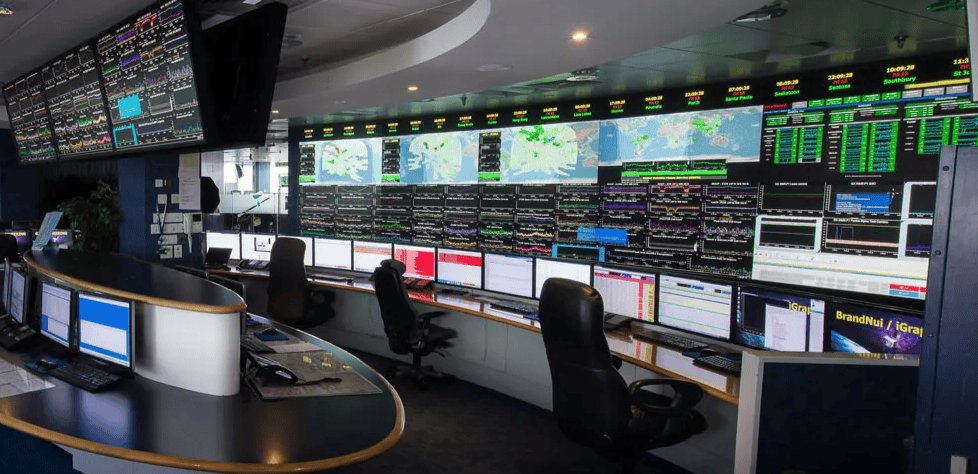
RF Interference Mitigation
I developed and implemented multiple Python-based operational tools used by satellite controllers to automatically detect and mitigate TT&C dual-illumination and frequency conflicts. These tools analyzed predicted spacecraft geometry, antenna pointing, and ground network configurations to proactively alert operators and generate corrective slew procedures, preserving reliable command and control.
GEO Flight Dynamics
In collaboration with the Flight Dynamics team, I performed trajectory analysis and optimization to maintain satellites within FCC station-keeping boxes. This included predicting GEO perturbations, calculating station-keeping maneuvers, managing orbital drift, and optimizing fuel usage to extend mission lifetime while ensuring precise orbital positioning for communications coverage.
Procedure Automation
I authored and tested automated operational procedures using ARES and STOL, as well as custom scripts in JAS, a JavaScript-based command language. These procedures supported subsystems such as SCU thermal control, enabling satellites to remain within operational limits while minimizing manual intervention. I also created a reusable function library to streamline controller training and future procedure development.
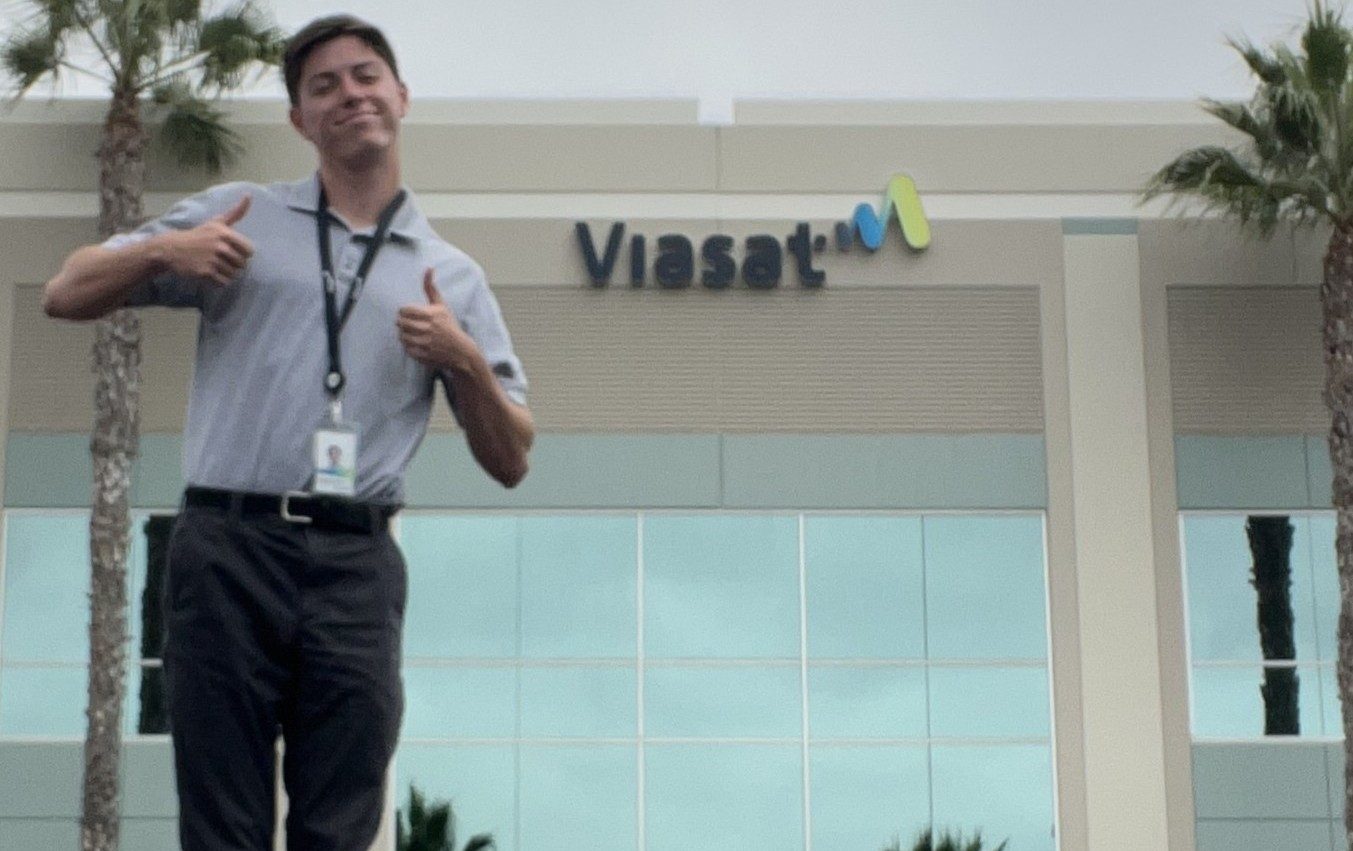
As part of Viasat’s Student Satellite Pilot (SatPi) program, I was entrusted with real-time satellite operations responsibilities under the supervision of Lead Satellite Control Engineers. This role went far beyond a traditional internship, involving live commanding, anomaly response, performance trend monitoring, and shift handovers for mission-critical spacecraft. The experience provided a rare, hands-on perspective into the realities of operating a commercial satellite fleet at scale.